The Middle Stage
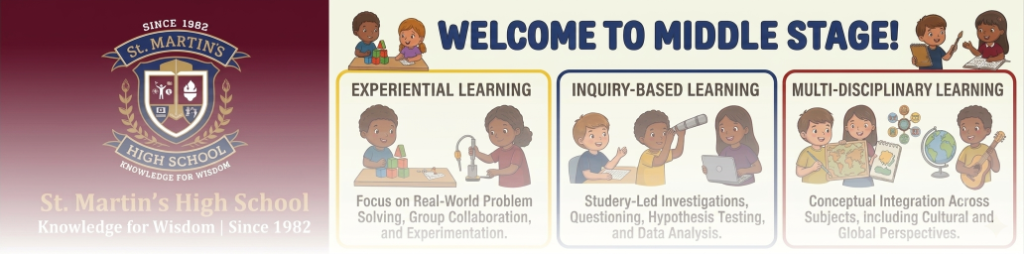
The Middle Stage breaks down rigid subject boundaries and places a heavy emphasis on experiential, hands-on learning — guiding students from guided discovery toward independent, critical thinking.
Experiential & Inquiry-Based Learning
Aligned with NEP 2020, the Middle Stage moves away from rote memorization. Students explore sciences, mathematics, arts, and humanities through practical projects, coding, and real-world problem-solving.
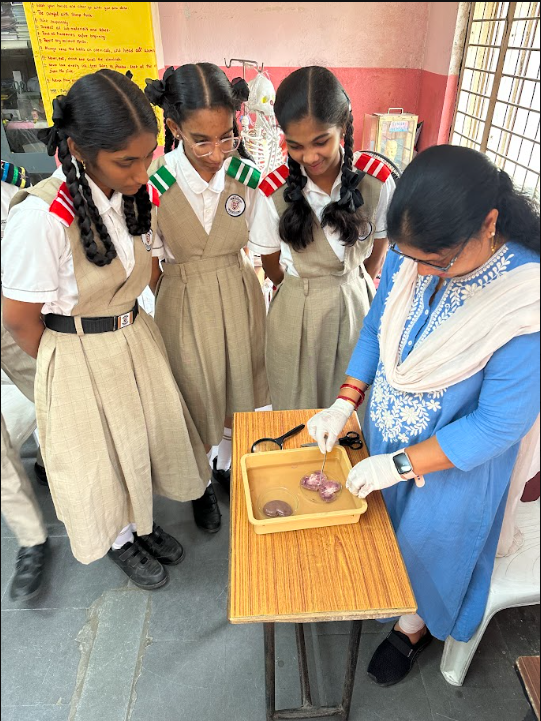
Students explore sciences and mathematics through practical experiments and real-world problem-solving, moving beyond textbooks to build a deep, lasting understanding of core concepts.
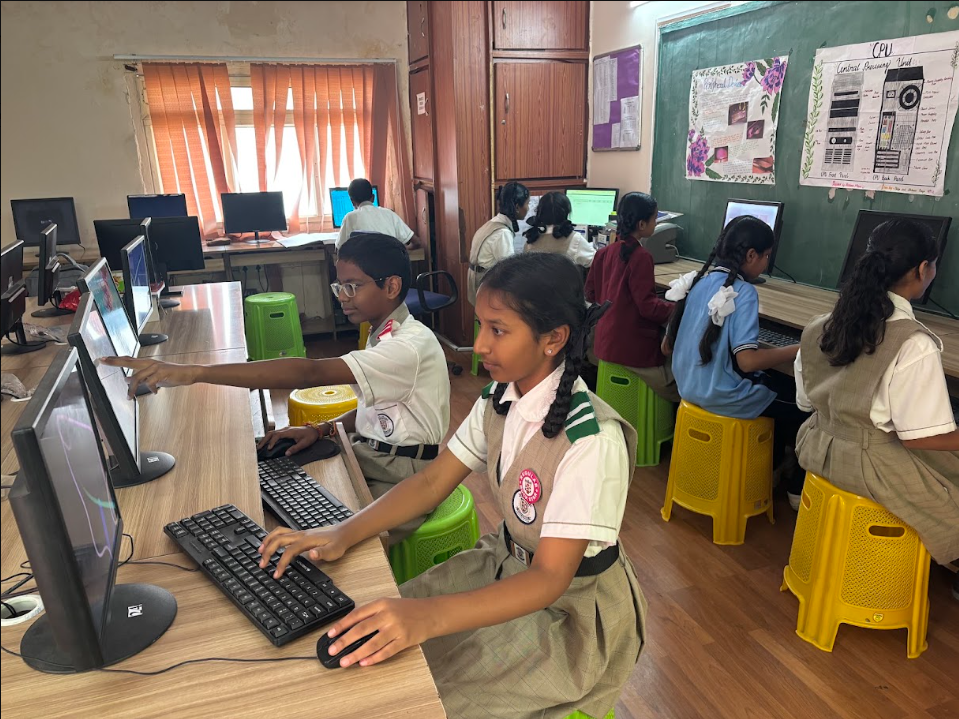
The curriculum formally introduces coding and computational thinking, helping young learners develop the logical reasoning and algorithmic problem-solving skills essential for modern careers.
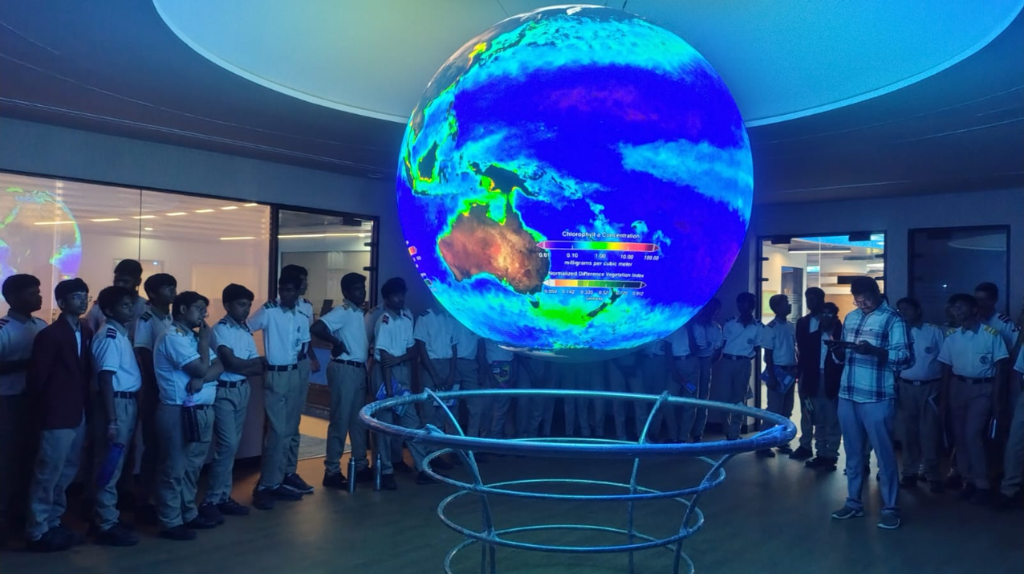
A 10-day bagless period where students intern with local experts — carpenters, potters, and artists — building practical vocational skills and a genuine respect for the dignity of labour.
Holistic & Multilingual Development
Beyond modern academic skills, the framework champions holistic development and cultural grounding — ensuring students grow as well-rounded, socially aware, and linguistically confident individuals.
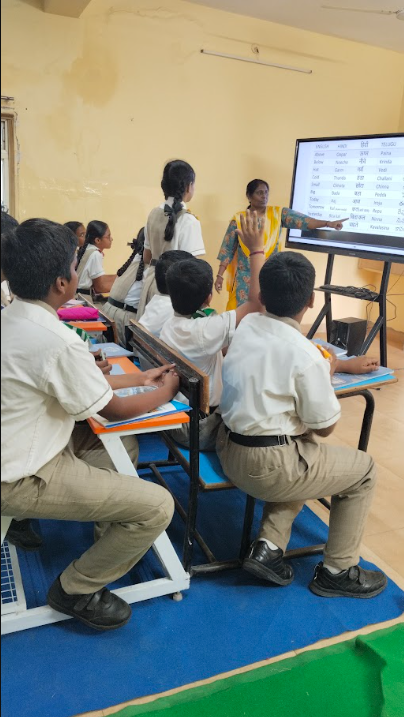
A flexible three-language approach boosts cognitive development while keeping students connected to their mother tongue, alongside building national and global linguistic proficiency.
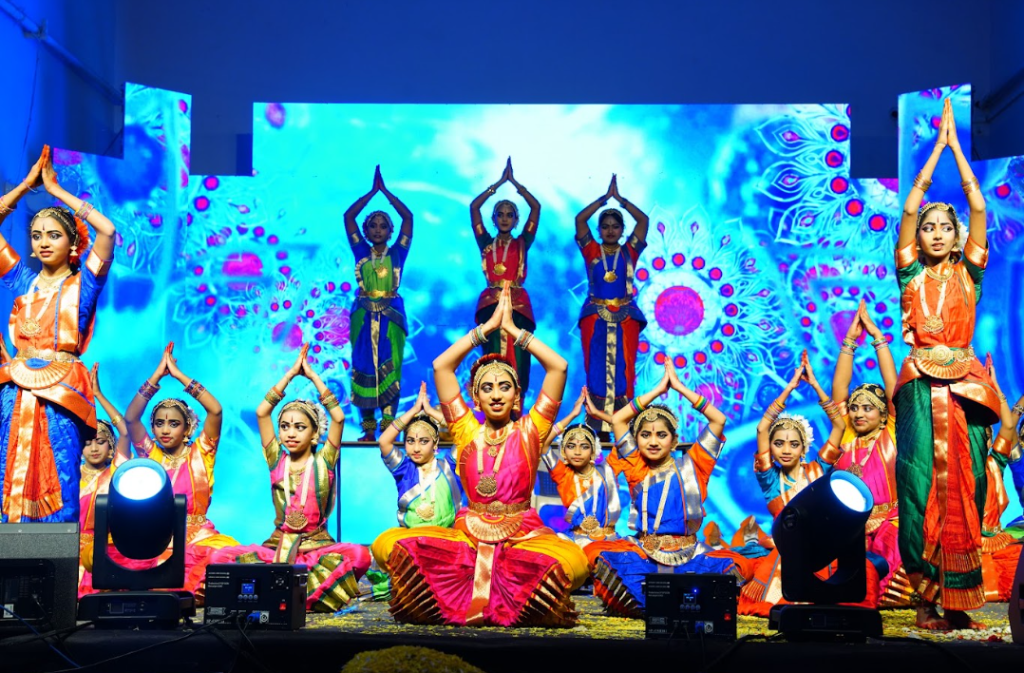
The arts and humanities are woven throughout the curriculum, fostering creativity, cultural grounding, and self-expression through music, dance, drama, and visual arts.
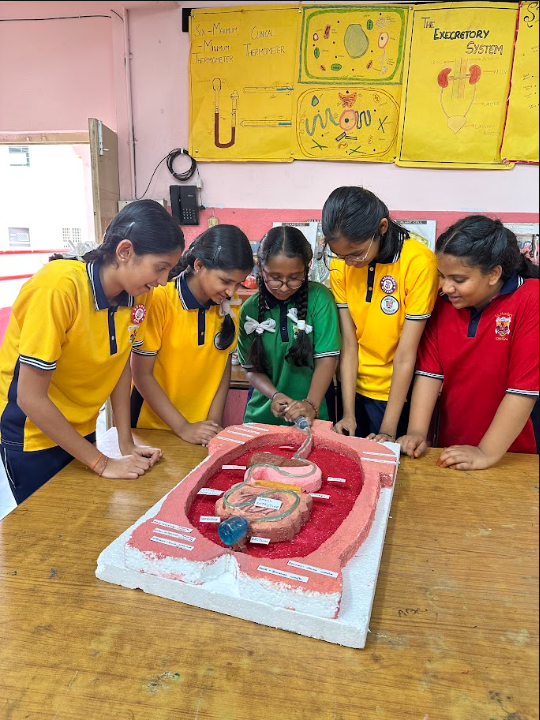
Multi-disciplinary projects encourage students to collaborate, research, and present — breaking down rigid subject boundaries and connecting learning to real-world challenges.