The Secondary Stage
Moving away from rote learning and rigid subject silos, the Secondary Stage emphasizes a holistic, multidisciplinary approach — empowering students to become rational, compassionate, and creative individuals prepared for both professional success and democratic participation.
Multidisciplinary & Flexible Learning
The Secondary Stage breaks down the rigid separation between arts, sciences, and vocational streams — giving students the freedom to chart their own academic path based on curiosity and ambition.
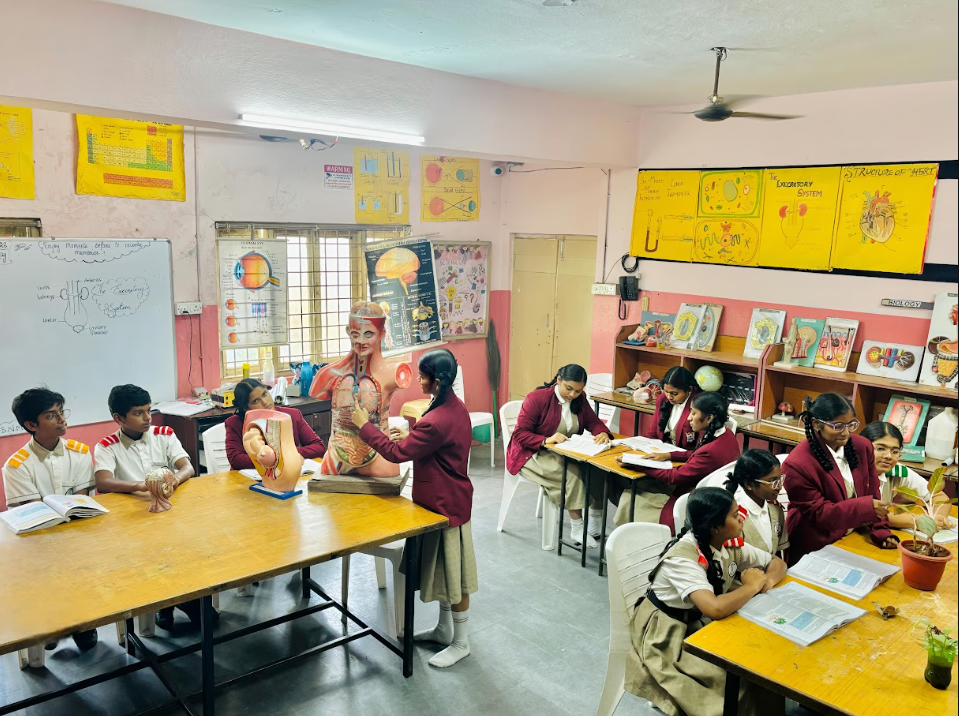
Students have the freedom to choose subjects across disciplines — no hard separations between arts, science, or vocational streams, allowing learners to build unique combinations aligned with their interests and career goals.
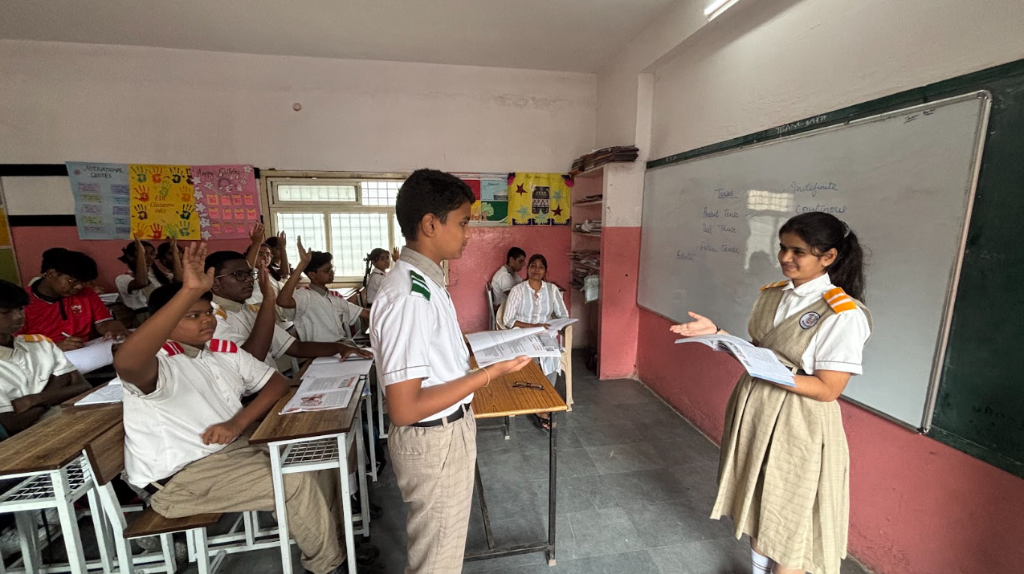
The curriculum focuses on the essential core of each subject, prioritizing conceptual understanding, analytical skills, and inquiry-based learning over mere syllabus completion.
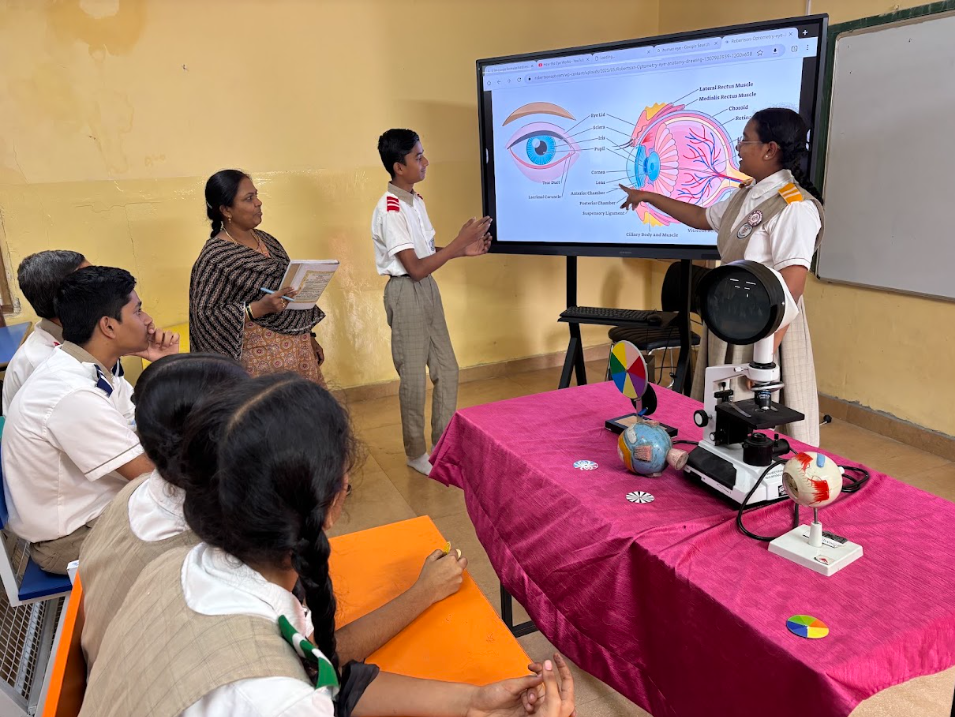
Moving toward competency-based assessments, with board examinations redesigned to test higher-order thinking skills, logical reasoning, and clarity of concepts rather than memorization.
Life Skills & Career Readiness
To ensure students are job-ready and well-rounded, the curriculum integrates vocational skills, digital literacy, coding, computational thinking, and physical education alongside academic excellence.
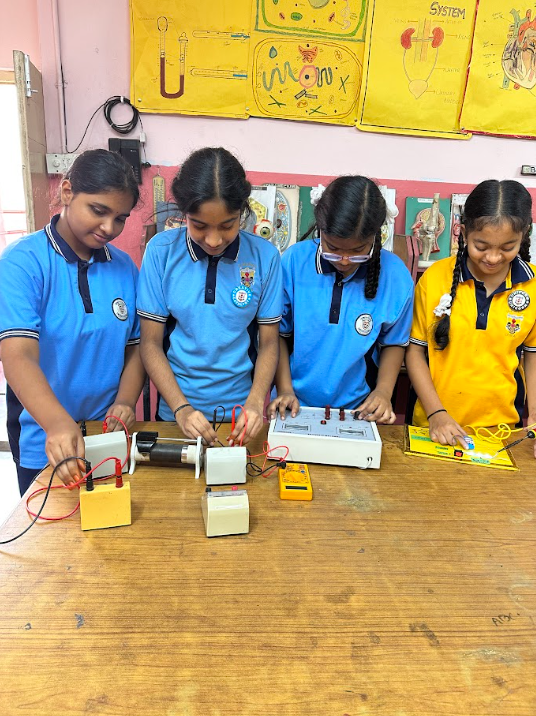
The curriculum integrates vocational skills training, ensuring students are job-ready and well-rounded through hands-on exposure to real-world trades and professions.
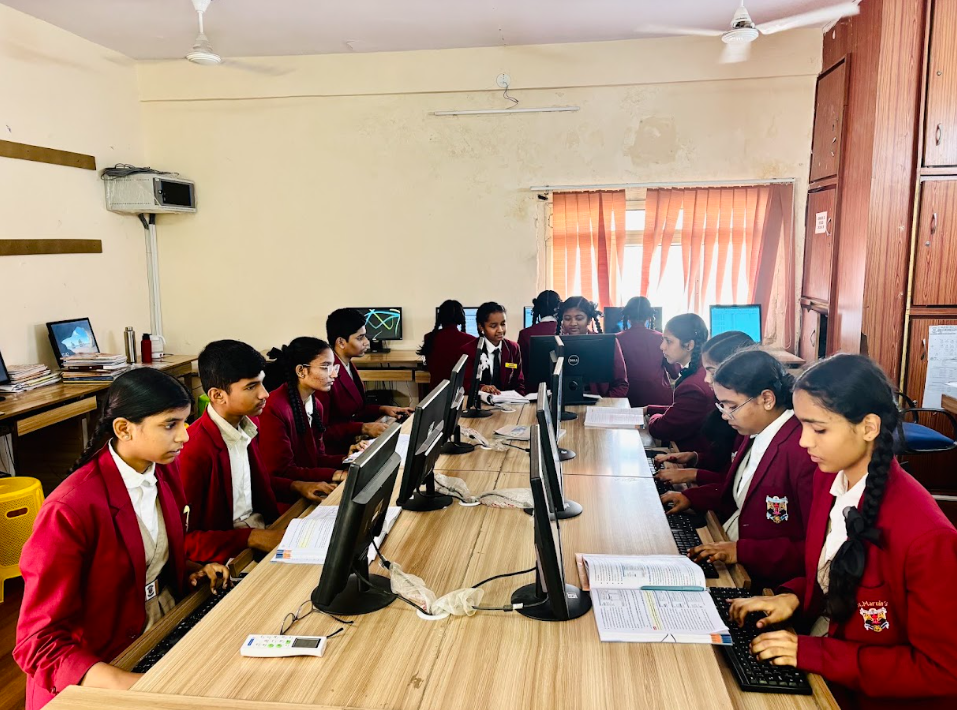
Digital literacy, coding, and computational thinking are woven into the curriculum — equipping students with the technological fluency needed for modern academic and professional life.
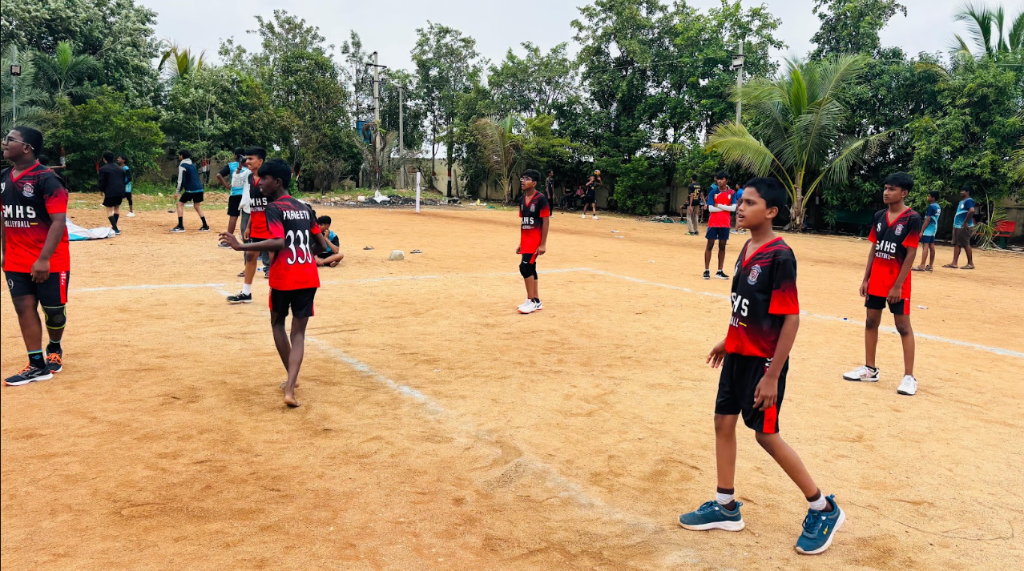
Physical education, sports, and wellbeing practices are an integral part of secondary education — nurturing healthy bodies and resilient minds alongside academic achievement.